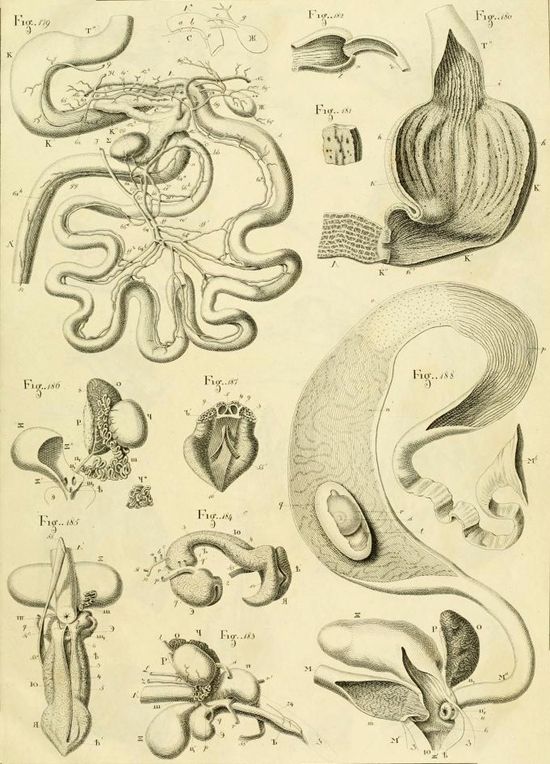
Vintage scientific illustration of cephalopod anatomy, featuring detailed drawings of squids and octopuses with labeled internal organs and structures.
diagramillustrationdrawinganatomybiological illustrationscientific illustrationsquidoctopusmarine lifetentaclesinternal organsink sacdigestive systemreproductive systemnervous systemmusclescartilagebeakeyesfinssiphonchromatophoreslabelslettersnumberslinesshadingtexturevintagehistoricalscientificeducationaldetailedcomplexblack and whitesepia tonepaper textureengravingetchinglithographwoodcutplatepagebookjournalarchivemuseumcollectionresearchstudydocumentationartdesignpatternformshapestructurecompositionbalancecontrastlightshadowdepthperspectivescaleproportionaccuracyprecisionrealismnaturalismsymbolismmetaphorallegorynarrativestorytellingcommunicationinformationknowledgeunderstandingdiscoveryinnovationprogressevolutionlifenaturesciencetechnologyhumanityculturehistorysocietyworldcephalopodsquidoctopusanatomyinternal organsscientific illustrationvintage illustrationhistorical illustrationbiologyzoologyengravingetchinglithographwoodcut

The image is a vintage scientific illustration, likely from a biology or zoology text. It features detailed anatomical drawings of cephalopods – squids and octopuses. The drawings are rendered in a precise, engraved style with extensive labeling using letters and numbers. Several different views and dissections are presented. One large drawing on the left shows a squid with its internal organs exposed, including the digestive system, ink sac, and reproductive organs. Other smaller drawings depict various parts of the cephalopod anatomy, such as the beak, eyes, fins, and siphon. There are also cross-sections and detailed views of specific organs and tissues. The overall aesthetic is reminiscent of 19th-century scientific illustration, with a focus on accuracy and detail. The drawings are rendered in black and white, with subtle shading and texture to create depth and form. The paper has a slightly aged appearance, with a warm sepia tone. The image is a valuable historical document that provides insights into the scientific understanding of cephalopod anatomy during that period.


License: CC0